

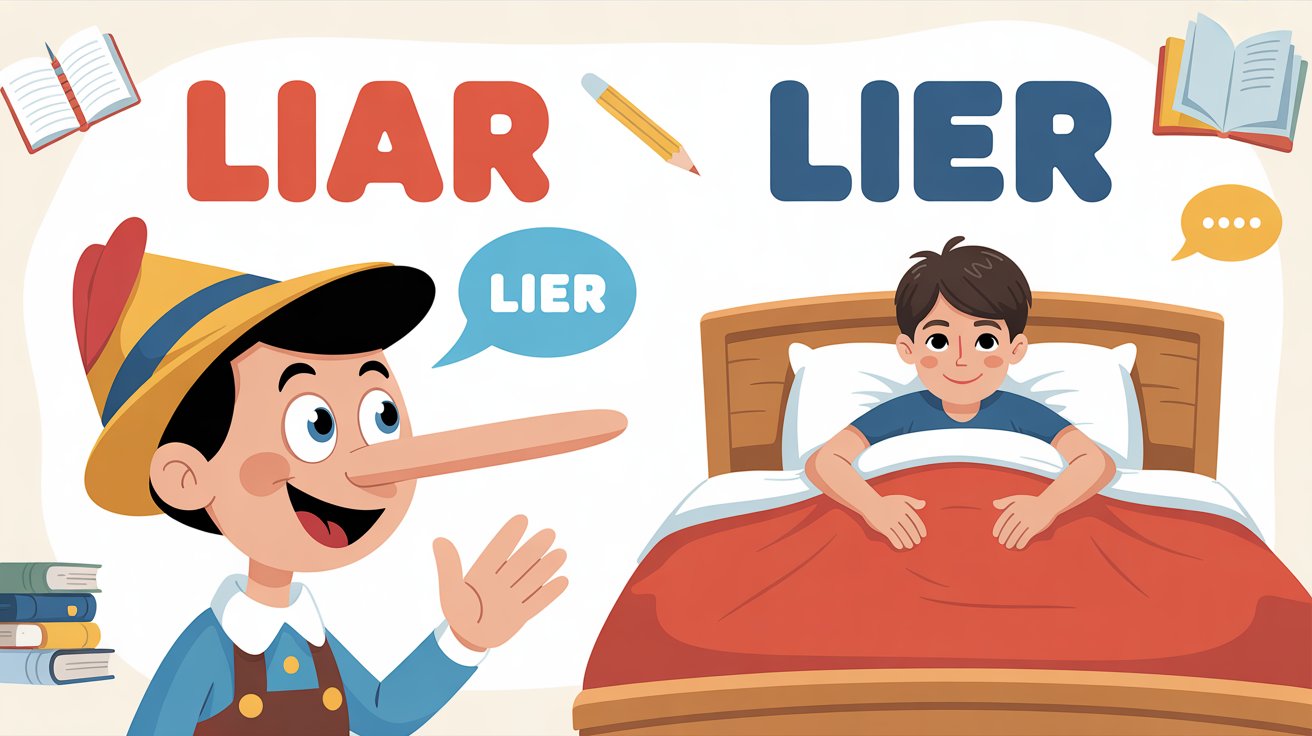
Choosing between lier and liar can feel tricky because they sound almost identical. Yet, their meanings couldn’t be more different. One refers to a person who tells lies, the other to someone resting or lying down. Misusing them isn’t just a small spelling mistake it can completely change the meaning of a sentence, confuse your audience, or even create unintended humor.
In this article, you’ll learn the difference between lier and liar, see examples of usage, and understand how to use lier and liar correctly in both written and spoken English.
Quick Summary
Many people confuse lier vs liar because of their similar pronunciation. Liar relates to dishonesty and deception, while lier simply means someone who is resting or reclining. Misuse is common in casual writing, literature, and even news articles. By understanding their meaning, etymology, and proper usage, you can avoid mistakes and improve your English language skills.
Understanding Lier or Liar
The confusion between lier and liar is a classic example of homophones in English words that sound the same but differ in meaning. Context is key: if someone is telling untruths, they are a liar; if someone is lying down, they are a lier.
Recognizing this distinction helps prevent common English mistakes and ensures clarity in professional writing, storytelling, and everyday language usage.
Why Are These Words Often Mixed Up?
- Pronunciation similarities – Both words sound alike, making them easy to confuse in conversation.
- Spelling confusion – People often rely on sound to spell words, causing errors.
- Context ambiguity – Without context, lying down vs telling lies can be unclear.
Scenario Example:
- “He is a lier.” Without context, one might think he is dishonest, when in fact he is just resting.
Relevance in Written and Spoken English
Correct usage of lier vs liar is important in multiple contexts:
- Professional writing: In reports or articles, misuse can appear careless.
- Literature and storytelling: Misuse affects clarity of character descriptions.
- Everyday language usage: Prevents misunderstandings in casual conversation.
Example:
- “Don’t call him a liar—he’s just a lier on the couch!”
This humorous mix-up shows why proper usage is crucial.
Liar: Definition and Usage
Origin and Etymology of “Liar”
Liar comes from the Old English “leogere”, meaning a person who tells lies. Over time, it became the modern term associated with dishonesty and deception. Understanding its roots reinforces its use as a word for someone who spreads untruths.
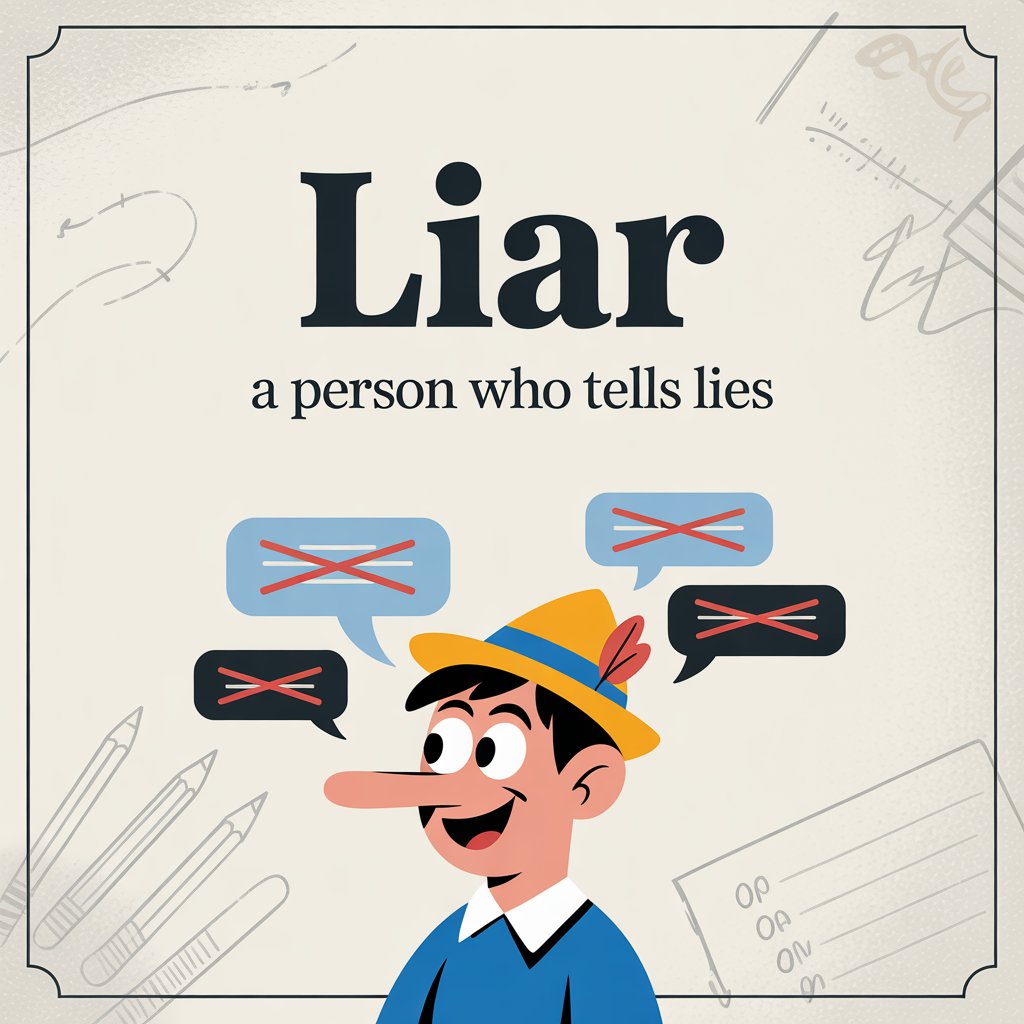
Definition: A Person Who Tells Lies
A liar is a person who deliberately deceives others. This word is central to discussions of honesty, untruths, and deception.
Examples of Usage in Sentences
- “She realized he was a liar after catching him in multiple lies.”
- “Even small exaggerations can make a person a liar.”
- “In court, the witness admitted he had been a liar.”
Common Contexts Where “Liar” Is Used
- Storytelling and literary context
- News articles reporting deception
- Everyday conversations about honesty
Lier: Definition and Usage
Origin and Etymology of “Lier”
Lier comes from Old English roots relating to resting or lying down. Unlike “liar,” it has no moral or ethical implications its meaning is purely physical.
Definition: Someone Who Lies Down or Rests
A lier is a person who is reclining or lying down, often resting or sleeping.
Examples of Usage in Sentences
- “The lier on the sofa was completely relaxed.”
- “A lier under the tree watched the clouds drift by.”
- “The cat was a lazy lier in the sunbeam.”
Why “Lier” Is Less Common in Modern English
Modern English often replaces lier with phrases like “someone lying down.” Its use now is mostly in literary usage of lier or poetic descriptions, making it rare in everyday conversation.
Side-by-Side Comparison of Lier or Liar
| Feature | Liar | Lier |
|---|---|---|
| Meaning | A person who tells lies | A person who lies down |
| Usage | Common in writing, speech, and literature | Rare, mostly literary context |
| Example | “She is a liar.” | “He was a lier on the bench.” |
| Associated Concepts | Deception, untruths, dishonesty | Resting/lying down, relaxation |
| Confusion Risk | Misused as lier | Misused as liar, implying dishonesty |
Real-Time Suggestions Wherever You Write
Tools like Grammarly can flag potential confusion between lier and liar, helping prevent spelling confusion and incorrect usage. Always consider context: are you describing resting/lying down or deception/honesty?
Everyday Usage Examples
Practical Examples of “Lier”
- “After a long hike, the hikers became liers in the meadow.”
- “The lier on the couch watched the rain through the window.”
- “Artists often depict liers in peaceful, pastoral scenes.”
Practical Examples of “Liar”
- “He was labeled a liar after spreading false rumors.”
- “Politicians are sometimes unfairly called liars in debates.”
- “In novels, villains are often clever liars.”
Situations Where Misuse Leads to Confusion
- “He is a lier” — could imply resting or dishonesty.
- “Stop being a liar on the couch” — funny, but incorrect.
Liar or Lier Examples in Context
Sample Sentences for Comparison
- Correct: “The liar told another tall tale.”
- Correct: “A lier reclined under the tree.”
- Incorrect: “Stop lying down, you liar!”
Examples from Literature
- Shakespeare: “Thou art a liar, sir!” (deception)
- Poetry: A lier resting by the riverside, enjoying nature.
Examples from News and Conversations
- News: “The candidate was exposed as a liar during the interview.”
- Conversation: “Relax, I’m just a lier on the couch, not lying to you!”
Liers or Liars
Plural forms can also confuse writers:
- Liars = people telling lies
- Liers = people resting or lying down
Examples:
- “The liars were caught exaggerating numbers.”
- “The liers on the beach enjoyed the sunny day.”
Frequently Asked Questions About Lier or Liar
Q1: Can “lier” mean a deceitful person?
No. A lier is strictly someone lying down, not lying in the moral sense.
Q2: Can “liar” ever mean someone resting?
No. Literature and modern usage always use liar for deception.
Q3: Why do people confuse lier vs liar?
Because of homophones in English, pronunciation similarities, and frequent English spelling mistakes.
Conclusion
Understanding the difference between lier and liar is essential for clear communication, storytelling, and professional writing. A liar spreads untruths and deception, while a lier is simply resting or lying down. Paying attention to context, grammar, and proper usage ensures your writing is accurate, engaging, and free from common English mistakes. Next time you write, ask yourself: am I describing honesty vs deception, or rest vs lying down? That small check prevents confusion and enhances your English language skills.
