

If you’ve ever paused mid-sentence wondering whether to write steem or steam, you’re not alone. These two words look almost identical. They sound the same when spoken. Yet they live in completely different worlds. One powers games and factories. The other runs on blockchain technology and rewards creators with crypto.
That overlap causes constant confusion online, especially for beginners. Someone searching for What is Steam might accidentally land on an article about cryptocurrency.
Meanwhile, a new content creator might hear about Steem rewards and assume it has something to do with video games.
Let’s clear the fog once and for all.
This deep dive unpacks Steam vs Steem from every angle. You’ll see how each works, where they came from, and which one fits your goals. Along the way, you’ll get real-world scenarios, plain-English explanations, and practical examples that make everything click.
Overview: Why Do Steem or Steam Get Confused?
The confusion starts with pronunciation. Steam and Steem sound identical in casual conversation. Add fast typing and autocorrect into the mix, and things spiral quickly.
Another reason is timing. Both platforms rose to popularity during the digital boom of the 2010s. One reshaped gaming. The other challenged traditional social media with a blockchain-based content platform.
Finally, there’s the tech factor. Each appeals to tech-savvy users, creators, and early adopters. But that’s where the similarity ends.
Think of it like this:
- Steam is a digital gaming marketplace
- Steem is a decentralized social media and crypto ecosystem
Same sound. Totally different missions.
Understanding Steam vs Steem
Before diving into features, it helps to zoom out.
At its core, the difference between Steam and Steem comes down to purpose:
- Steam distributes games and software.
- Steem rewards online content with cryptocurrency.
One sells entertainment. The other monetizes creativity.
That contrast shapes everything else. The audience. The technology. Even the language people use around them.
What Is Steam?

Steam Definition and Origin
Steam launched in 2003 under Steam Valve Corporation, originally as a way to deliver updates for Valve’s own games. Over time, it exploded into the world’s largest Steam gaming platform.
Today, Steam isn’t just software. It’s an ecosystem.
Millions of users log in daily to play games, chat with friends, trade items, and explore VR experiences.
What Does Steam Stand For?
Interestingly, Steam isn’t an acronym. The name nods to power and motion, much like traditional steam industrial use during the Industrial Revolution.
It symbolizes energy, progress, and constant movement. Fitting for a platform that never sleeps.
Main Functions and Purpose of Steam
Steam acts as a hub for everything gaming-related:
- Steam digital distribution for games and software
- A massive gaming software library
- A built-in Steam marketplace for in-game items
- Community features like forums and chat
- Support for VR and gaming technology
In short, Steam simplifies how people buy, play, and manage games.
Steam in Everyday Use
Picture a college student unwinding after class. They open Steam, browse the Steam gaming community, buy a discounted game, and join friends online.
That’s Steam at work.
Another scenario? A developer releases an indie game. Steam handles downloads, updates, payments, and reviews. The creator focuses on making great games.
Example: Steam in Power Plants
Outside gaming, steam also refers to heated water vapor used in steam turbines and power plants. Engineers rely on water vapor energy production to generate electricity worldwide.
So context matters. If someone says “steam,” they could mean:
- Gaming software
- Industrial power
- Or even cooking
That’s why clarity counts.
What Is Steem?
Steem Definition and Origin
Steem launched in 2016 as a bold experiment. Its goal? Build a content monetization platform where users earn crypto for creating and curating content.
It runs on the Steem blockchain ecosystem, developed initially by Steem Steemit Inc.
Unlike traditional platforms, Steem doesn’t sell ads. It distributes value directly to users.
What Does Steem Stand For?
Steem blends three ideas:
- STE for Social
- EM for Economy
- Plus a nod to STEM vs Steam confusion, which adds irony
The result is a decentralized economy built around creativity.
Primary Uses and Functions of Steem
Steem powers several features:
- A cryptocurrency rewards system
- Steem tokens like STEEM, Steem Dollars (SBD), and Steam Power (SP)
- User-generated content rewards
- Governance through voting
- A decentralized finance ecosystem
At its heart, Steem rewards participation.
Steem in Everyday Use
Imagine a travel blogger posting photos and stories. Readers upvote the post. The blogger earns digital currency rewards.
Another user curates content. They earn a share too.
That’s earning crypto through content in action.
Example: Content Creators on Steemit
On Steemit blockchain, writers, artists, and educators publish daily. The platform acts as a Steem social media platform with built-in monetization.
Unlike traditional sites, creators don’t wait for brand deals. The blockchain pays them directly.
Steem vs Steam: Side-by-Side Comparison
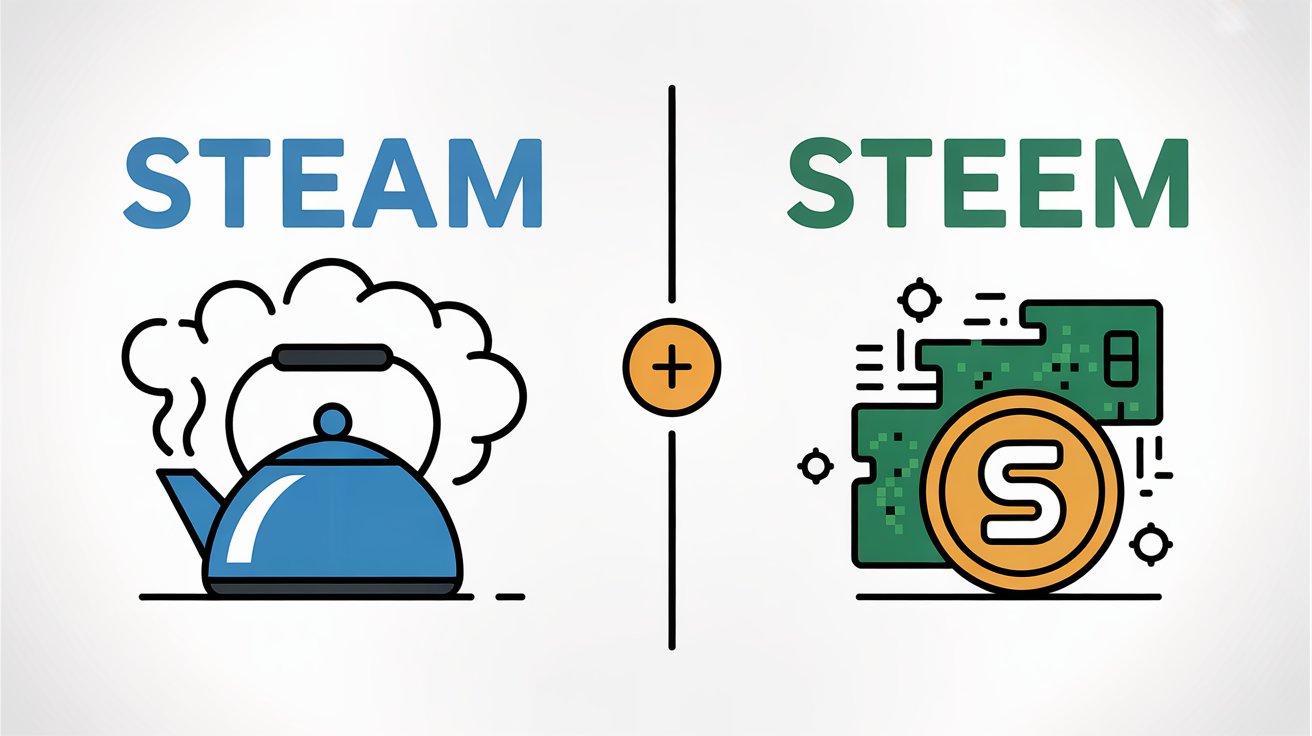
Steam vs Steem Comparison Table
| Feature | Steam | Steem |
|---|---|---|
| Core Purpose | Gaming & software | Content monetization |
| Technology | Centralized servers | Blockchain technology for creators |
| Main Users | Gamers & developers | Writers & creators |
| Rewards | Games & items | Cryptocurrency |
| Platform Type | Steam platform | Steem cryptocurrency |
| Ownership | Valve Corporation | Decentralized network |
This Steam vs Steem comparison highlights how different they truly are.
Real-World Applications and Examples
Confusion often happens in casual settings.
Scenario 1
“I made money on Steam last night.”
Did they sell an in-game item? Or earn crypto writing an article?
Without context, no one knows.
Scenario 2
“I’m investing in Steem.”
That has nothing to do with gaming. It’s about blockchain assets.
What Is STEM?
To complicate things further, there’s STEM.
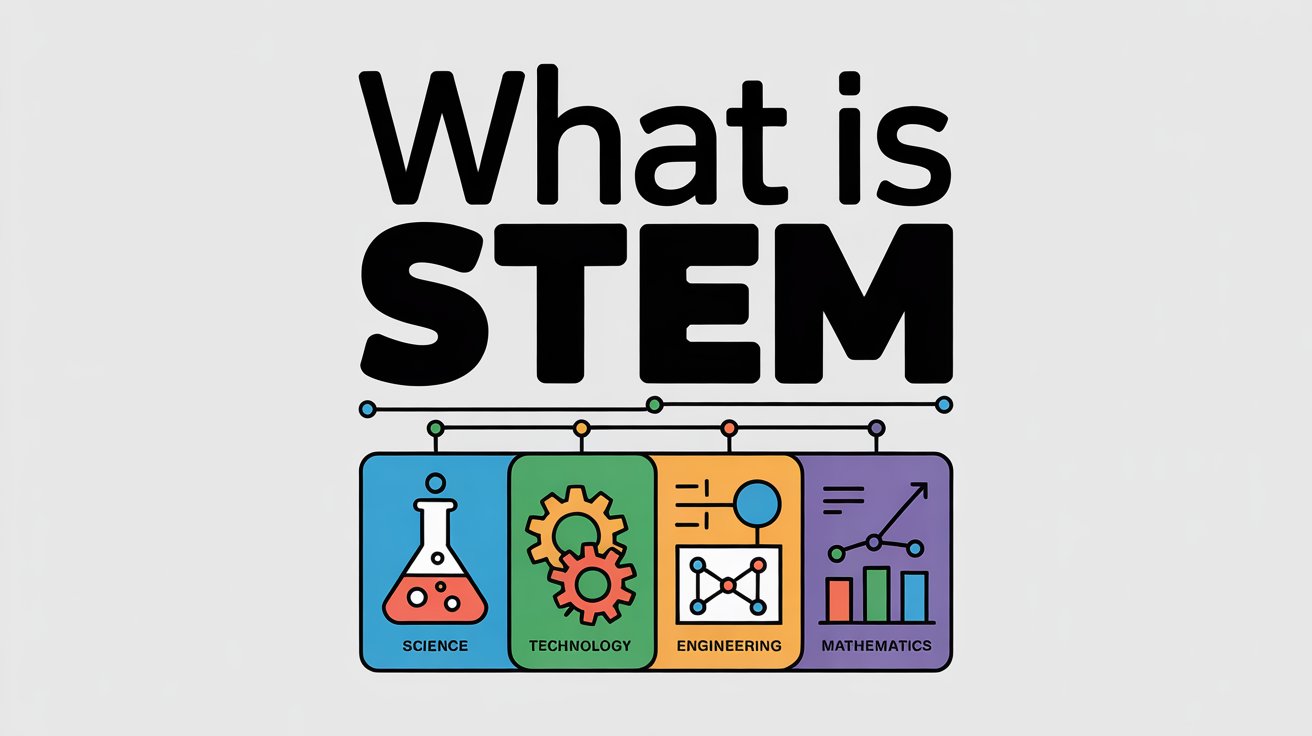
STEM stands for Science, Technology, Engineering, and Mathematics. It has nothing to do with Steam or Steem, yet it often sneaks into conversations.
This STEM vs Steam confusion usually happens in education or career discussions.
Which One Should You Use?
For Gamers and Entertainment Seekers: Steam
Choose Steam if you want:
- Access to the largest online gaming community
- A secure in-game purchases marketplace
- Frequent sales and updates
- A trusted Steam software distribution system
Steam excels at entertainment.
For Content Creators and Blockchain Enthusiasts: Steem
Steem fits if you care about:
- Content monetization platform features
- Community-driven platforms
- Decentralized social media
- Steem content rewards
If you enjoy writing, teaching, or curating, Steem offers a unique model.
Steam or Steem: Common Mistakes People Make
Many users mix these terms up online:
- Searching steam or steem when looking for crypto
- Writing steem meaning when they mean water vapor
- Typing Steam vs Steem incorrectly in forums
These slip-ups seem small but cause big misunderstandings.
Difference Between Steam and Steem in One Sentence
Steam sells games and software through a centralized platform, while Steem rewards online content using blockchain technology.
Simple. Clear. No confusion.
Final Thoughts: Steam vs Steem
The Steam or Steem debate only exists because the words sound alike. In practice, they serve entirely different audiences.
- Steam fuels entertainment and gaming culture.
- Steem empowers creators through decentralization.
Understanding that difference saves time, avoids mistakes, and helps you choose the right tool for your goals.
Whether you’re gaming late into the night or publishing content for crypto rewards, clarity matters. Now you know exactly where each platform shines.
