

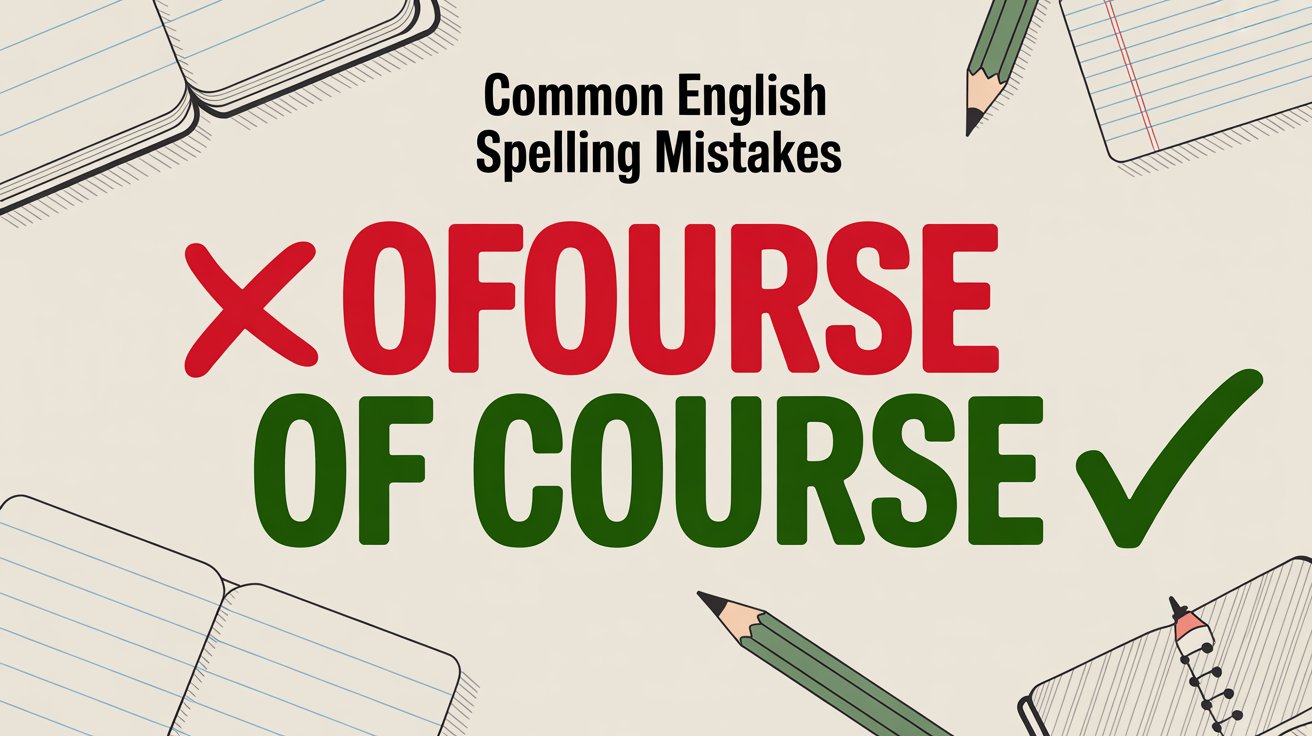
In English, many words and expressions may seem similar at first but actually differ in meaning, usage, and spelling. A common example is the confusion between “of course” and the incorrect form “ofcourse.”
Though the difference may appear minor, knowing the correct form can enhance the clarity, professionalism, and precision of your writing. This article examines the proper spelling and usage of “of course,” clears up the misconception that “ofcourse” is acceptable, and provides guidance on using the phrase correctly in various situations.
We’ll also look at its history, explore synonyms and alternatives, and explain why choosing the correct form matters in different contexts.
Quick Summary
When people ask “of course or ofcourse?”, they’re often confused by informal vs formal English and evolving digital communication grammar habits. The short answer: “of course” is correct, “ofcourse” is not.
This article will show you correct usage of of course, examples in everyday and professional communication, and why is ofcourse correct is always “no.”
What Do “Of Course or Ofcourse” Mean?
“Of Course”
The phrase “of course” expresses certainty and agreement in English, conveys polite permission, or confirms that something is obvious.
Example:
- “Can I borrow your notes?”
- “Of course! Here you go.”
It works in casual conversation and professional communication in English, making it a versatile phrase.
“Ofcourse” – A Misspelling
“Ofcourse” is often seen in texting and social media, but it’s a misspelled English phrase.
Example:
- “Is ofcourse the right spelling?”
- No — that’s a common English spelling mistake.
Of Course or Ofcourse: Which One Should You Use?
People often ask is of course one word or two or is it ofcourse or of course.
The answer: always use two words “of course.”
Why?
- It’s a fixed phrase, not a compound word.
- Writing “ofcourse” breaks English spelling rules.
- Using the correct spelling enhances clarity and accuracy in communication.
Understanding the Confusion: ofcourse or of course
1. Informal Language Habits
Texting encourages shortcuts:
- “gonna” instead of “going to”
- “cant” instead of “can’t”
- “ofcourse” instead of “of course”
These are part of texting and social media language habits but are formal writing errors in professional contexts.
2. English Language Evolution
English is constantly evolving. Some phrases become compounds over time, but “of course” remains two words. Dictionary verification confirms this.
The Spelling of Of Course
According to English spelling rules:
- Correct: of course
- Incorrect: ofcourse
It’s an open compound word two words functioning as one idiom.
Example:
- Correct: “Of course, I’ll attend the meeting.”
- Incorrect: “Ofcourse, I’ll attend the meeting.”
Table: Correct vs Incorrect Usage
| Phrase | Correct? | Context | Notes |
|---|---|---|---|
| of course | ✅ Yes | Casual & formal | Standard English usage |
| ofcourse | ❌ No | Texting only | Misspelled English phrase |
| ofcourse spelling | ❌ No | Informal writing | Avoid in professional writing |
| is ofcourse correct | ❌ No | General queries | Always “of course” |
The Grammar Behind “Of Course vs Ofcourse”
“Of course” is a preposition + noun phrase that expresses certainty. It’s not a compound, so combining it violates compound word spelling rules.
Example comparison:
- “everyday” (compound adjective) vs “every day” (two words)
- “ofcourse” (incorrect) vs “of course” (correct)
This shows how common grammar confusion often arises from misunderstanding open compound words.
The Origins of “Of Course”
The phrase comes from older English, where “course” meant path or natural progression. Saying “of course” implied something followed its natural course.
Example:
- “He forgot again, of course.”
- It conveys expectation and certainty, which is why English language clarity relies on correct spelling.
Synonyms and Similar Phrases to “Of Course”
- Naturally (formal)
- Certainly (neutral)
- Definitely (strong agreement)
- Absolutely (emphatic)
- Sure thing (informal)
Using these can help maintain clarity and accuracy in communication and avoid grammar mistakes in casual and professional writing.
When and How to Use “Of Course”
Everyday Conversations
- Agreement:
- “Do you want dessert?”
- “Of course!”
- Polite permission:
- “May I leave early?”
- “Of course, just send the report first.”
Professional Communication
- Email to colleague:
- “Of course, I’ll review section three.”
- Business proposal:
- “We will, of course, meet the project deadline.”
These examples show casual vs professional language, highlighting how context affects professional tone in writing.
Correct Usage in Sentences
- Texting a friend: “Are we still on for Friday?”
- “Of course! I’m free after six.”
- Classroom: “Is the test tomorrow?”
- “Of course, the syllabus says so.”
- Workplace email: “Could you include these figures?”
- “Of course, I’ll add them to the report.”
How Not to Use “Of Course”
❌ Incorrect examples:
- “I will ofcourse send it.”
- “Ofcourse, I can help.”
- “Of courseing you can.”
All are formal writing errors and poor examples of grammar in business writing or polished writing style.
Everyday Conversations
- Grocery store: “Do you have gluten-free bread?”
- “Of course.”
- Classroom: “Is homework due today?”
- “Of course, check the syllabus.”
Even casual conversations require proper English writing for language precision.
Preserving Clear Communication
Correct grammar improves:
- credibility in written communication
- English language clarity
- professional tone in writing
Always using “of course” signals professionalism, even in casual emails.
Avoiding Grammar Mistakes in Digital Communication
Tips to avoid formal writing errors in emails, texting, or social media:
- Use dictionary verification to check phrases
- Reread before sending
- Avoid shortcuts like “ofcourse” in grammar in emails
Conclusion
✅ Use “of course” (two words), never “ofcourse.”
✅ It expresses certainty, agreement, and polite permission.
✅ Fits in both everyday English expressions and legal and academic writing tone.
✅ Always check English spelling rules to maintain polished writing style and professional communication skills.
Remember: a tiny phrase done right strengthens clarity, credibility, and language precision.
