

You’ve probably paused mid-text or stared at a grocery list wondering is it potatoes or potatos? It feels like a small thing. Just one letter. Yet that single -e causes a surprising amount of doubt, even among confident writers.
The confusion shows up everywhere recipes, menus, school papers, even professional emails.
This article clears it all up. No fluff. No lecturing. Just a clear, human explanation of potatoes or potatos, why the confusion exists, and how to get it right every time. Along the way, you’ll see real-life scenarios, historical context, and simple memory tricks that actually stick.
Let’s dig in.
Unpacking ‘Potatoes’ and ‘Potatos’: A Common Spelling Question
At first glance, potatos vs potatoes looks like a harmless spelling variation. English does that sometimes, right? Color and colour. Theater and theatre. So it’s natural to ask whether both spellings might be acceptable.
They’re not.
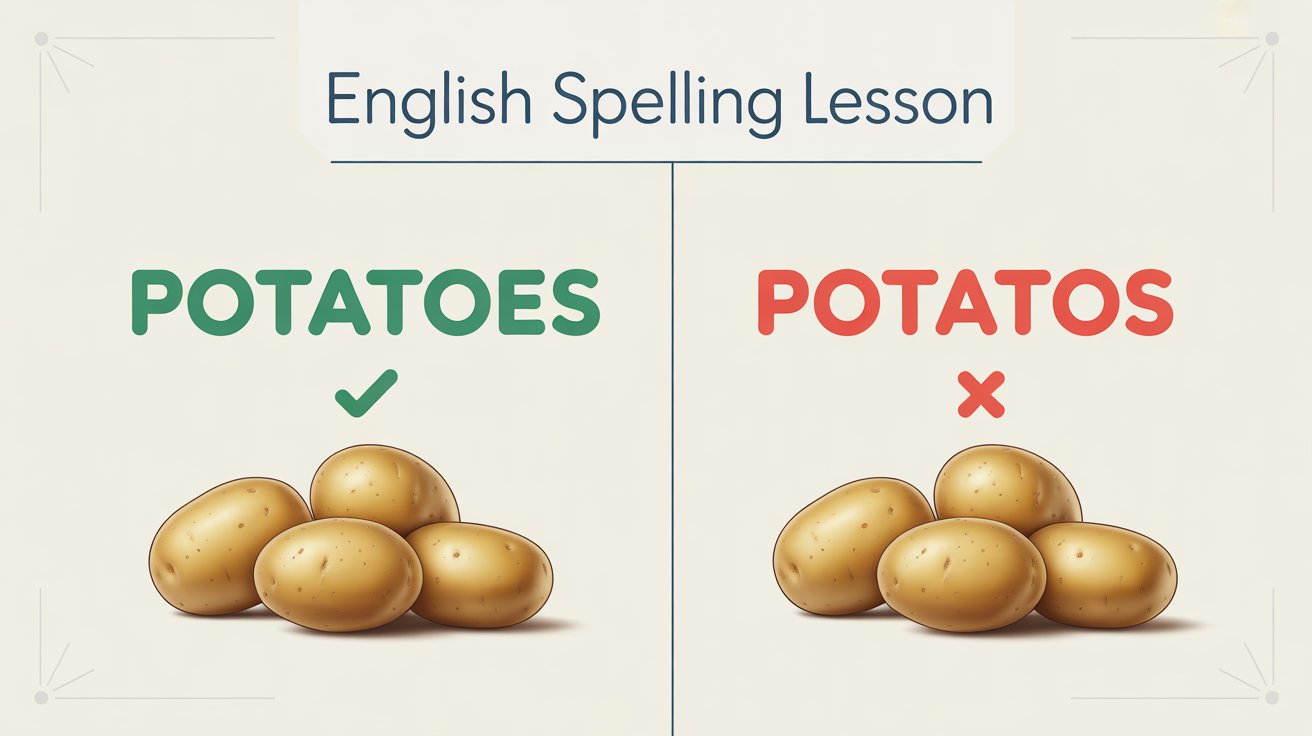
Potatoes is the only correct plural form in standard English. Potatos is a spelling error. Still, the mistake is understandable, especially if you’re thinking about words like radios or pianos.
That leads to the real question most people are asking, even if they don’t phrase it this way: how do you spell potatoes correctly, and why does English insist on making it tricky?
Why This Spelling Debate Exists
English pluralization rules can feel inconsistent. Sometimes you add -s. Other times -es sneaks in. And then there are irregular plurals that ignore logic altogether.
The potatoes spelling confusion comes from three main sources:
- Words ending in “o” don’t all follow the same rule
- Everyday exposure to incorrect spellings online
- Assumptions based on similar-looking words
For example, photo becomes photos, not photoes. So why doesn’t potato become potatos?
Because English loves exceptions.
Understanding potato spelling rules means zooming out and looking at patterns, history, and usage norms rather than relying on guesswork.
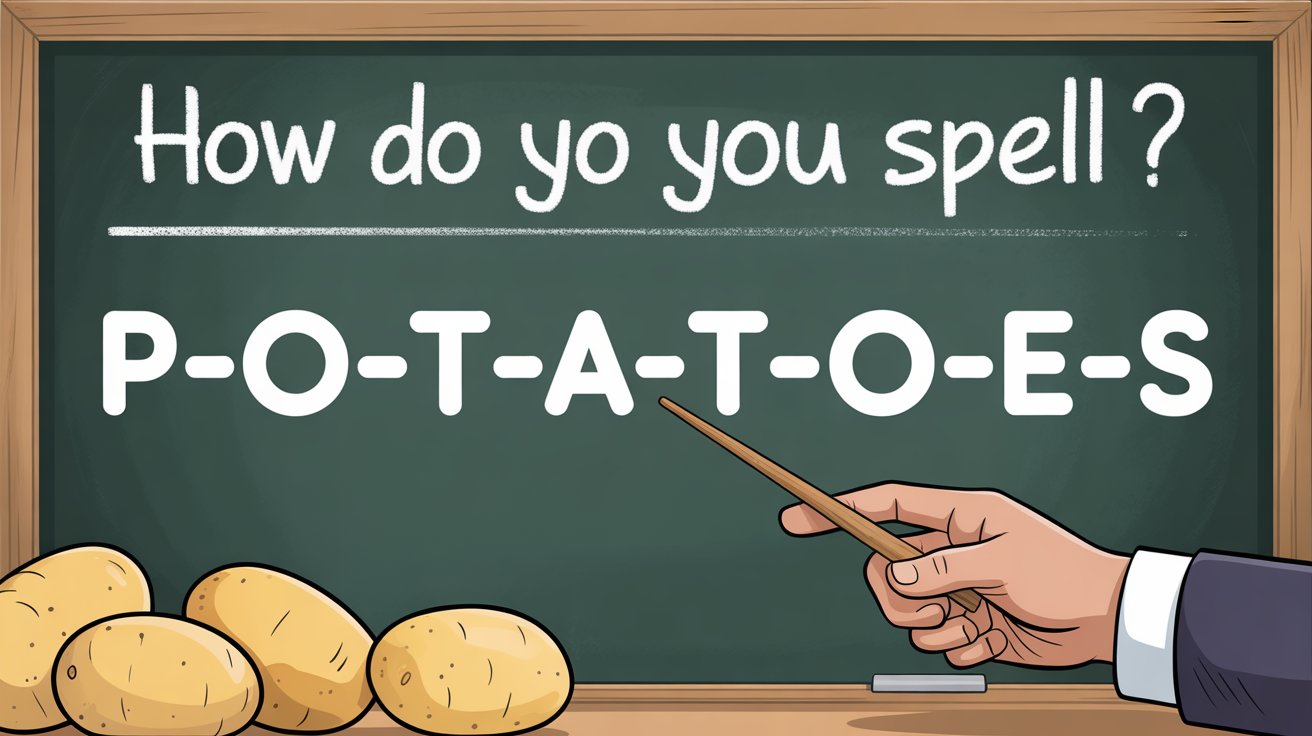
How Do You Spell ‘Potato’?
Let’s start simple.
- Singular: potato
- Plural: potatoes
If you’re ever typing and pause to ask yourself how to spell potatoes, this is your anchor. Add -es, not just -s.
That extra letter isn’t optional. It’s required by standard dictionary spelling in both American English spelling and British English spelling.
The Singular and Plural Forms of ‘Potato’
Singular and Plural Form Comparison
| Form | Correct Spelling | Example |
|---|---|---|
| Singular | potato | I bought one potato. |
| Plural | potatoes | I bought five potatoes. |
| Incorrect | potatos | ❌ Not standard English |
The plural for potato follows a specific English pattern tied to pronunciation and word origin. That’s why understanding the plural form of potato matters more than memorizing it blindly.
Potatoes vs Potatos: Rules and Misconceptions
Potatoes: Definition, Correct Usage, and Origins
The word potato refers to the edible tuber scientifically known as Solanum tuberosum. It entered English through Spanish explorers, derived from the Spanish word patata.
Because of this linguistic path, potato behaves like many other loanwords ending in -o that take -es in the plural.
Examples include:
- tomato → tomatoes
- hero → heroes
- echo → echoes
This is why correct spelling of potatoes includes that -es ending.
Potatos: Why It’s Incorrect and Commonly Misused
Potatos appears logical on the surface. After all, we write avocados and radios. But logic alone doesn’t govern English pluralization rules.
Potatos isn’t recognized by standard dictionaries. It shows up mostly in informal writing, fast typing, or unchecked digital content.
Examples of Misuse
Here’s how the mistake often happens:
- Writing a grocery list spelling entry quickly
- Typing a recipe without proofreading
- Assuming all words ending in o follow the same rule
Example scenario:
You text someone, “Grab potatos on your way home.”
It feels fine. The message lands. No one corrects you. The error quietly survives.
That’s how common spelling mistakes in English spread.
The History Behind the Potato’s Spelling Journey
Historical Timeline:
The spelling of potato didn’t appear fully formed. It evolved over centuries.
- 1500s: Spanish explorers introduce patata to Europe
- Late 1500s: English adopts potato, with spelling variations
- 1700s: Dictionaries begin standardizing plurals
- Modern English: potatoes becomes fixed and universal
This process reflects historical word evolution, where usage settles debates long before grammar books explain them.
Contextual Examples
Seeing rules in action makes them stick.
- Formal vs informal writing:
- Formal: “The recipe calls for three pounds of potatoes.”
- Informal: “We roasted potatoes for dinner.”
- Culinary terminology:
- “Mashed potatoes pair well with roasted chicken.”
- Grocery lists and recipes:
- Correct: potatoes
- Incorrect: potatos
Once you see potatoes used correctly in context, the wrong version starts to look strange.
Potatoes vs Potatos: Side-by-Side Comparison
| Feature | Potatoes | Potatos |
|---|---|---|
| Dictionary-approved | ✅ Yes | ❌ No |
| Used in formal writing | ✅ Always | ❌ Never |
| Appears in recipes | ✅ Correct | ❌ Error |
| Follows language usage norms | ✅ Yes | ❌ No |
If you’re ever unsure potatoes or potatos, this table gives you the answer in seconds.
Practical Examples of ‘Potatoes’ in Daily Use
Everyday Sentences Using ‘Potatoes’ Correctly
- “She peeled the potatoes before dinner.”
- “These potatoes came from a local farm.”
- “Add the potatoes once the water starts boiling.”
- “Leftover potatoes make great breakfast hash.”
Notice how natural the word feels when spelled correctly. That’s spelling accuracy at work.
A Deep Dive into Potato Plural Spelling:
The potato plural spelling belongs to a broader category: words ending in o plural.
Some take -s:
- radios
- pianos
Others take -es:
- tomatoes
- potatoes
- heroes
Why the difference? It often comes down to pronunciation, origin, and convention rather than a single clean rule. That’s why memorization still plays a role in mastering plural nouns in English.
Memorization Tips: How to Avoid Spelling Errors
Simple Tricks to Remember ‘Potatoes’
- Link it to tomatoes.
If you remember tomato vs potato plural, you’ll remember both end in -es. - Visualize a recipe title.
“Roasted Potatoes” looks right. “Roasted Potatos” doesn’t. - Say it out loud.
The extra syllable helps reinforce the spelling.
These small tricks help prevent potatoes spelling confusion in everyday writing.
Frequently Asked Questions (FAQ) on Potatoes vs. Potatos
Are There Other Words with Similar Spelling Rules?
Yes. Many words ending in -o behave like potato.
Examples:
- tomato → tomatoes
- hero → heroes
- echo → echoes
They follow similar potato grammar rules, rooted in sound and history.
What Are Common Errors in Spelling Other Vegetable Names?
Vegetables cause more mistakes than you’d expect:
- broccolis vs broccoli
- zucchinis vs zucchini
- chilies vs chilis
These errors often show up in recipe spelling tips sections, menus, and blogs. Careful proofreading matters.
Scenario Examples for Often Confused Forms
Scenario 1: Grocery Store
You’re texting a roommate.
Wrong: “Do we need potatos?”
Right: “Do we need potatoes?”
Scenario 2: Recipe Blog
Wrong: “Chop the potatos evenly.”
Right: “Chop the potatoes evenly.”
Scenario 3: School Assignment
Wrong: “Farmers grow potatos worldwide.”
Right: “Farmers grow potatoes worldwide.”
Each scenario reinforces the same point: potatos vs potatoes isn’t a stylistic choice. One is simply incorrect.
How Do You Spell Potatoes in Professional Writing?
In professional, academic, or published content, only potatoes appears. Editors, style guides, and dictionaries agree. Using potatos undermines credibility, especially in formal contexts tied to English language spelling standards.
That’s why spelling accuracy isn’t nitpicking. It signals care and competence.
Final Thoughts: Getting ‘Potatoes’ Right Every Time
So, let’s settle it once and for all.
- The plural of potato is potatoes.
- Potatos is always incorrect.
- The rule ties back to history, pronunciation, and usage norms.
If you ever hesitate and ask yourself how do you spell potatoes, remember tomatoes. Remember recipes. Remember that English may be quirky, but it’s consistent here.
